The Road to Nationals: Reflections from Our Students Who Made It to the Big Stage
For many students, competing at the National Scholastic Chess Championships is more than just a tournament. It represents the culmination of years of study, strategy, and perseverance, and for many players it is where the lessons of chess truly come to life. This spring, we will take some of our College Bound students to the KCF All Girls National Chess Championship, where they will experience the challenges and excitement of competing on a national stage.
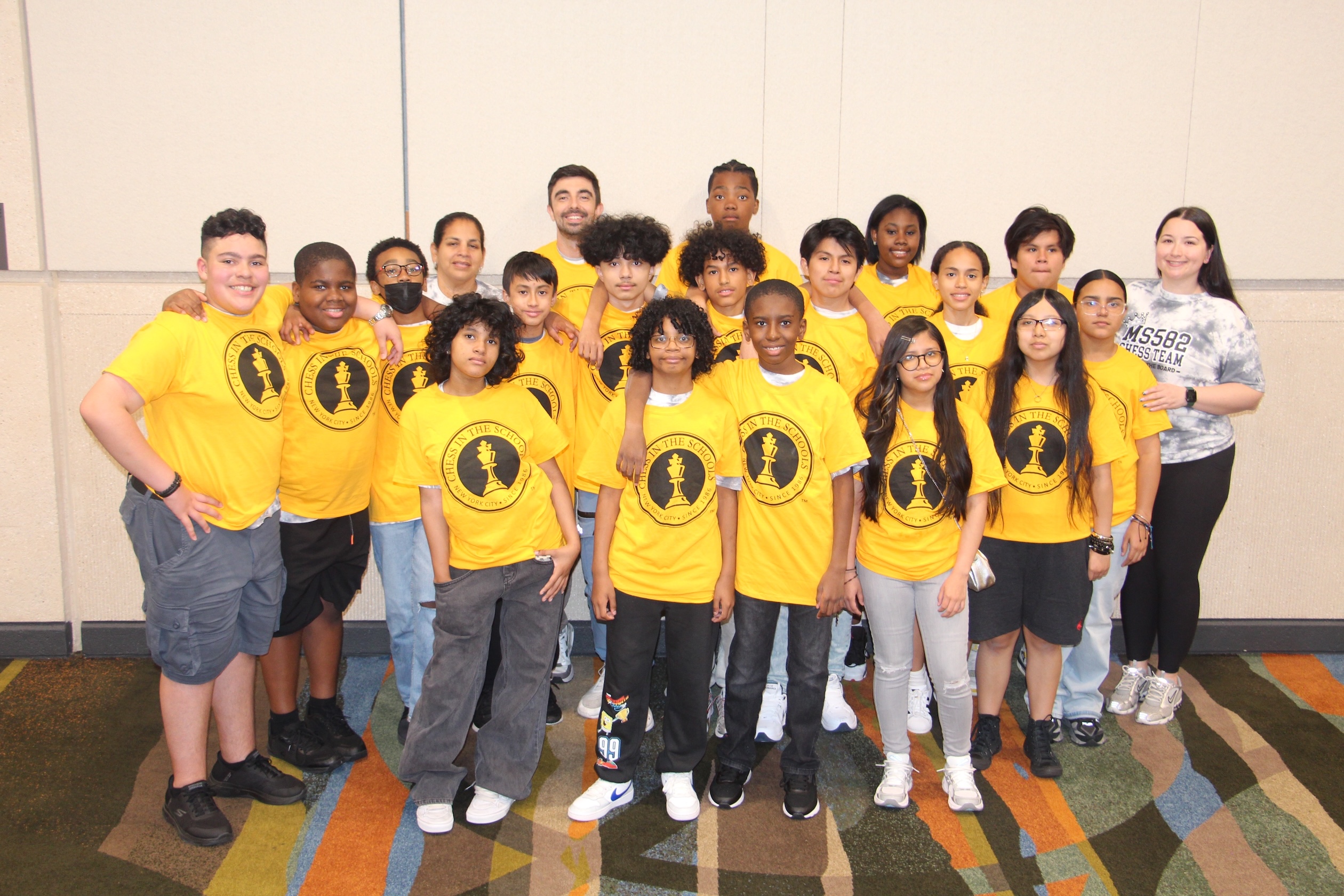
Several Chess in the Schools College Bound students, including Malakai, Noah, Jonathan, and Eden, competed at Nationals while they were in middle school, P.S. 582K. Now, as freshmen in high school, they are reflecting on what those early Nationals experiences meant to them and how they helped shape their growth as players and as individuals.
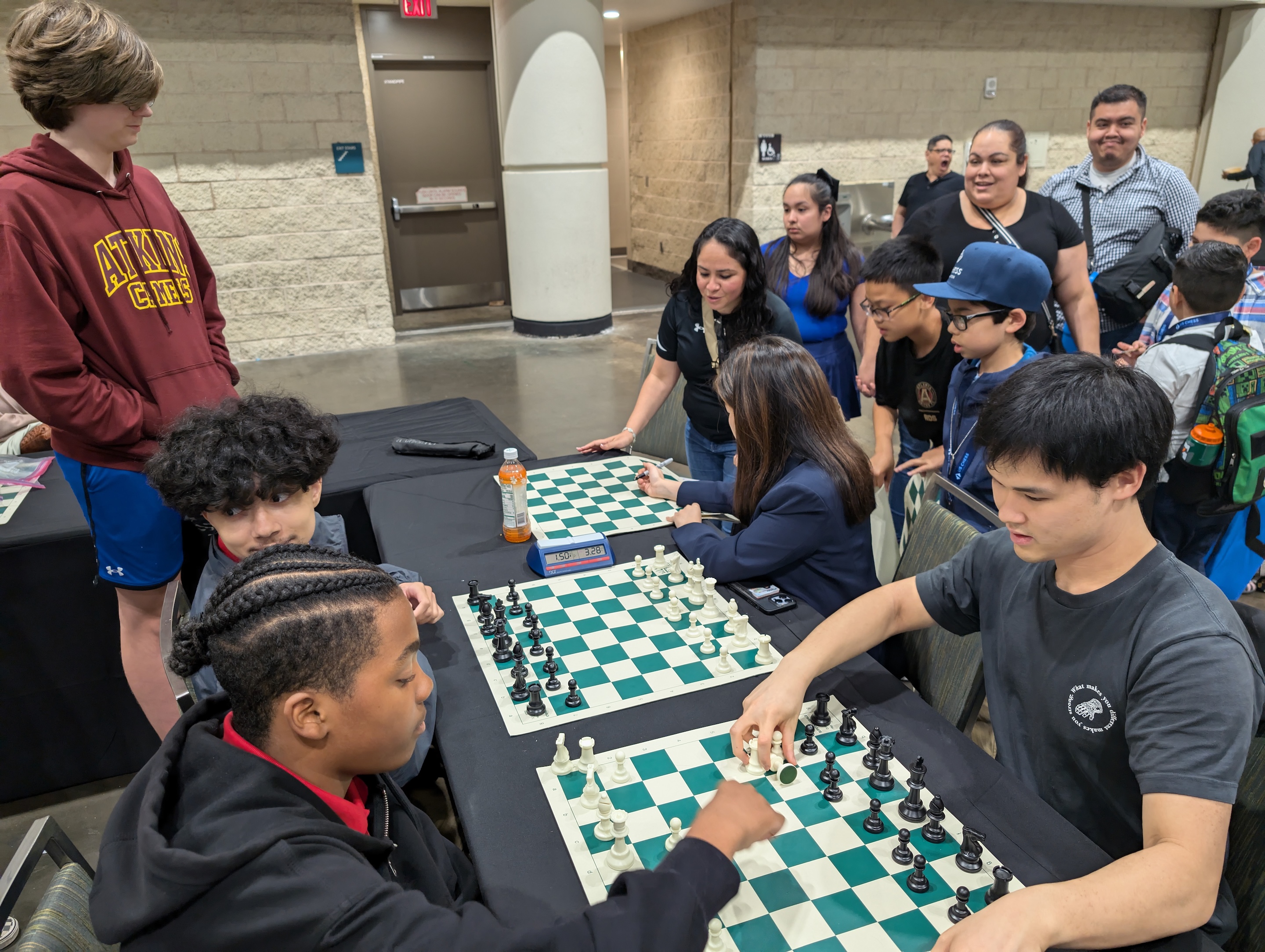
Their reflections serve as a powerful reminder of what our students will soon experience at Nationals. From the nerves of walking into a massive tournament hall, to competing against unfamiliar opponents from across the country, students learn the importance of preparation, focus, teamwork, and resilience. Through wins, losses, and unforgettable moments, Nationals teaches lessons that extend far beyond the chessboard.
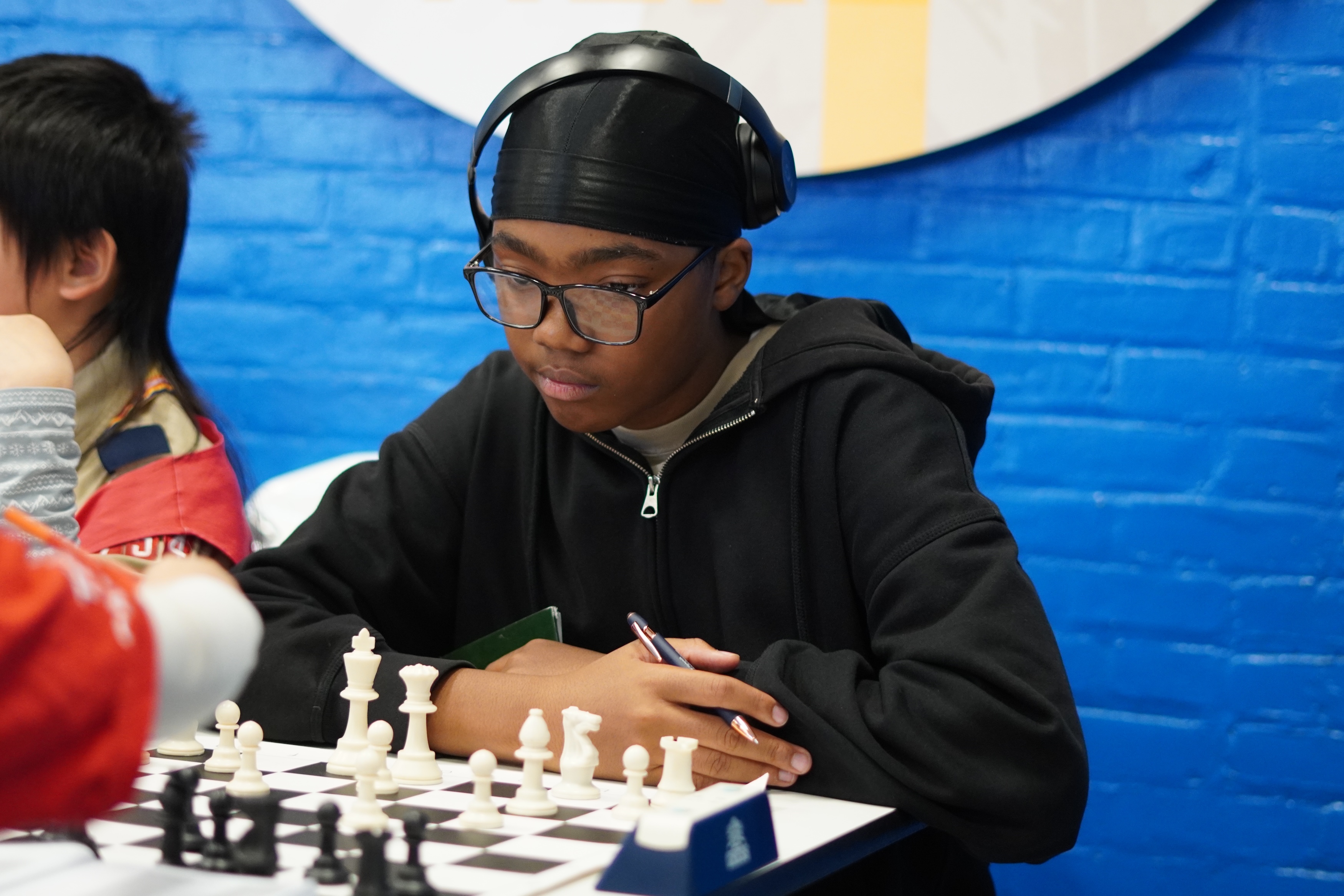
The Nationals Experience
Q: What was it like walking into the National Scholastic Chess Championships for the first time?
Malakai:
I’ve played at the past 3 Nationals. The first time I was a little overwhelmed. I’m pretty sure that was my second rated tournament.
Noah:
I was nervous because I wasn’t really used to being in a big setting like that. It was way larger than anywhere I had ever played before. I kind of had the shivers each game. Overall, I remember it was a good tournament.
Jonathan:
I was excited because I’ve never travelled before. My first Nationals was in Texas.
Eden:
It was really intimidating at first because there were so many people. I felt like my chances of winning were pretty slim. But by my second Nationals, I was more confident because I had experience from the first one.
Q: How did it feel to compete against players from across the country?
Malakai:
I got used to playing the same players over and over again locally. Playing against new people was a good experience for me.
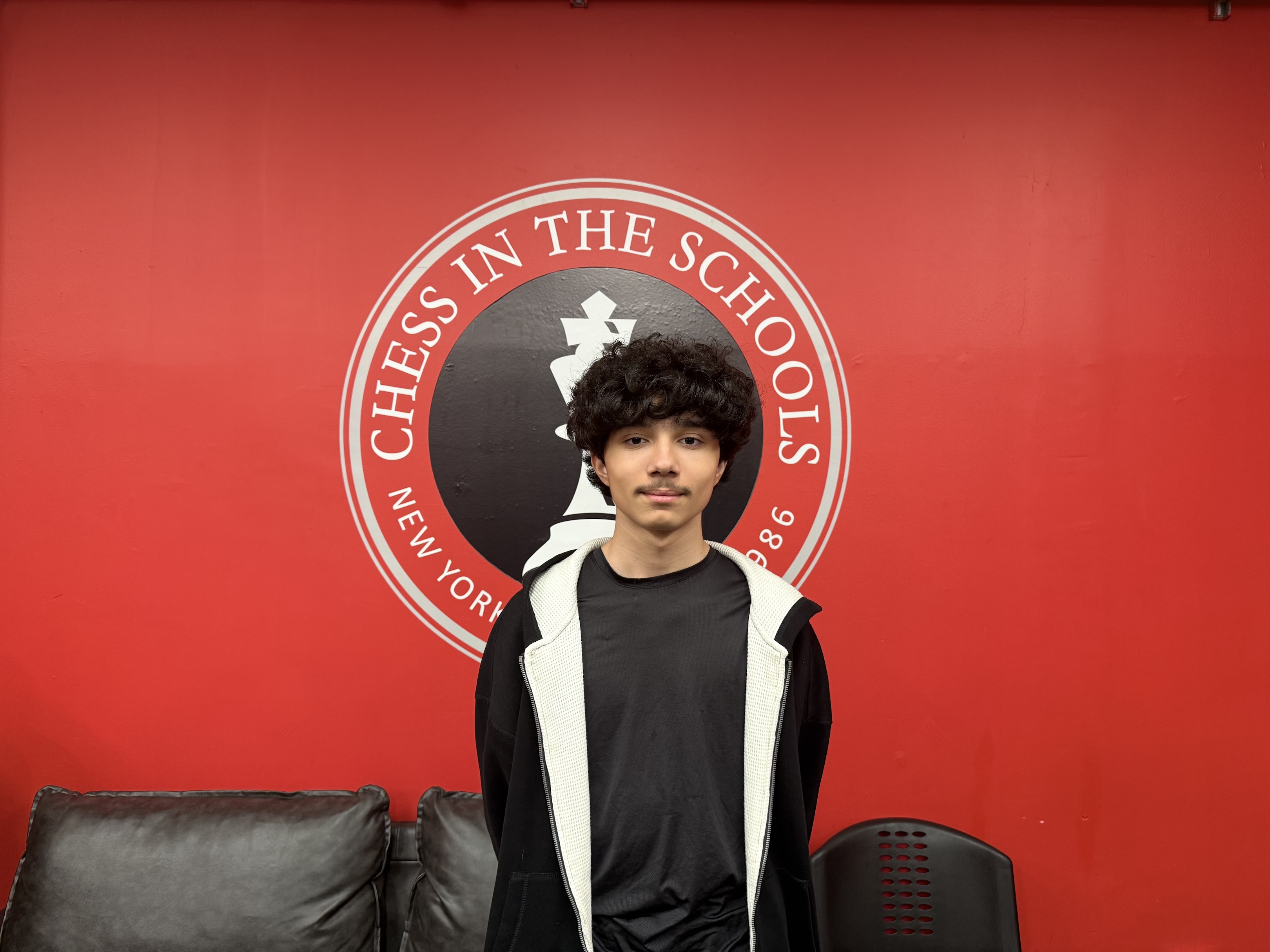
Noah:
It was a new experience because we used to play the same people over again. Seeing people come from across the nation, and potentially all over the world, was cool.
Jonathan:
It felt good and challenging.
Eden:
It was cool because I got to play with people from all over, like Florida and Michigan. Some players were really, really good, which was intimidating, but it motivated me and made the experience fun.
Q: What moments from Nationals stand out to you the most, either on or off the board?
Malakai:
Off the board were the dinners I had with my team.
Noah:
It was definitely off the board, being able to talk to some of my teammates. We got to bond even when we weren’t playing chess.
Jonathan:
Last Nationals I won and drew all 7 matches. It was my birthday too, so that really stood out.
Eden:
There was one game where I was in a really bad position and thought I was going to lose. I was super low on time and only had my king and queen left, but I ended up winning. It was my first time ever winning a game at Nationals, so that really stood out.
Lessons from Competition
Q: What did Nationals teach you about preparation, focus, or dealing with pressure?
Malakai:
That’s when I realized I needed to start researching chess. My first Nationals wasn’t the best—it was more of a learning experience.
Noah:
It taught me that if I want to win, I really have to prepare and practice. That was when I realized I didn’t want to fool around anymore.
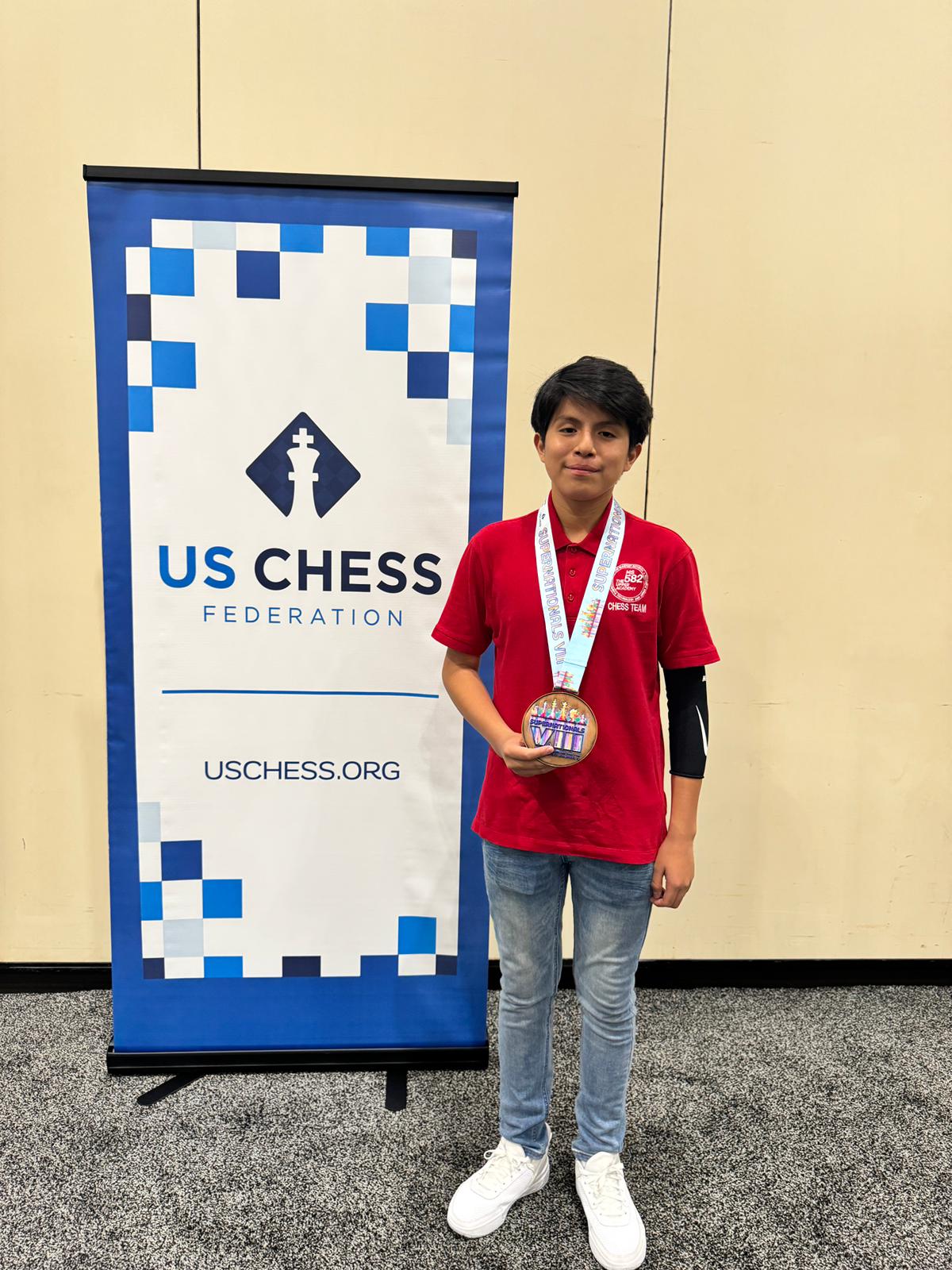
Jonathan:
Nationals taught me that you can meet people from all over the country and the world.
Eden:
Preparation is really important. You have to make sure your mind is in the right state and that you’re mentally and physically prepared. I learned to take a minute to myself before games to focus and calm down.
Q: How did you handle tough matches or unexpected losses during the tournament?
Malakai:
I felt overwhelmed because I wasn’t used to playing so many strong players. I didn’t handle my losses well at first.
Noah:
I didn’t handle my losses well either at first, but I learned that there’s always another game and you have to move on.
Jonathan:
I had some tough matches, but they were worth it because I learned new moves.
Eden:
My coach taught me that when I’m in a really bad position, I should put my notation book and pencil down and just think. That helped me stay calm and focus instead of panicking.
Q: How did you grow as a player and as a person through that experience?
Malakai:
As a person, that was my first time being independent. Every other trip I was with my mom.
Noah:
We didn’t have the usual supervision we had in school. I had a chance to be myself.
Eden:
I grew by learning how to reflect on my mistakes instead of being upset about them. When I saw similar positions later, I knew what not to do and how to improve.
Teamwork, Support, and Community
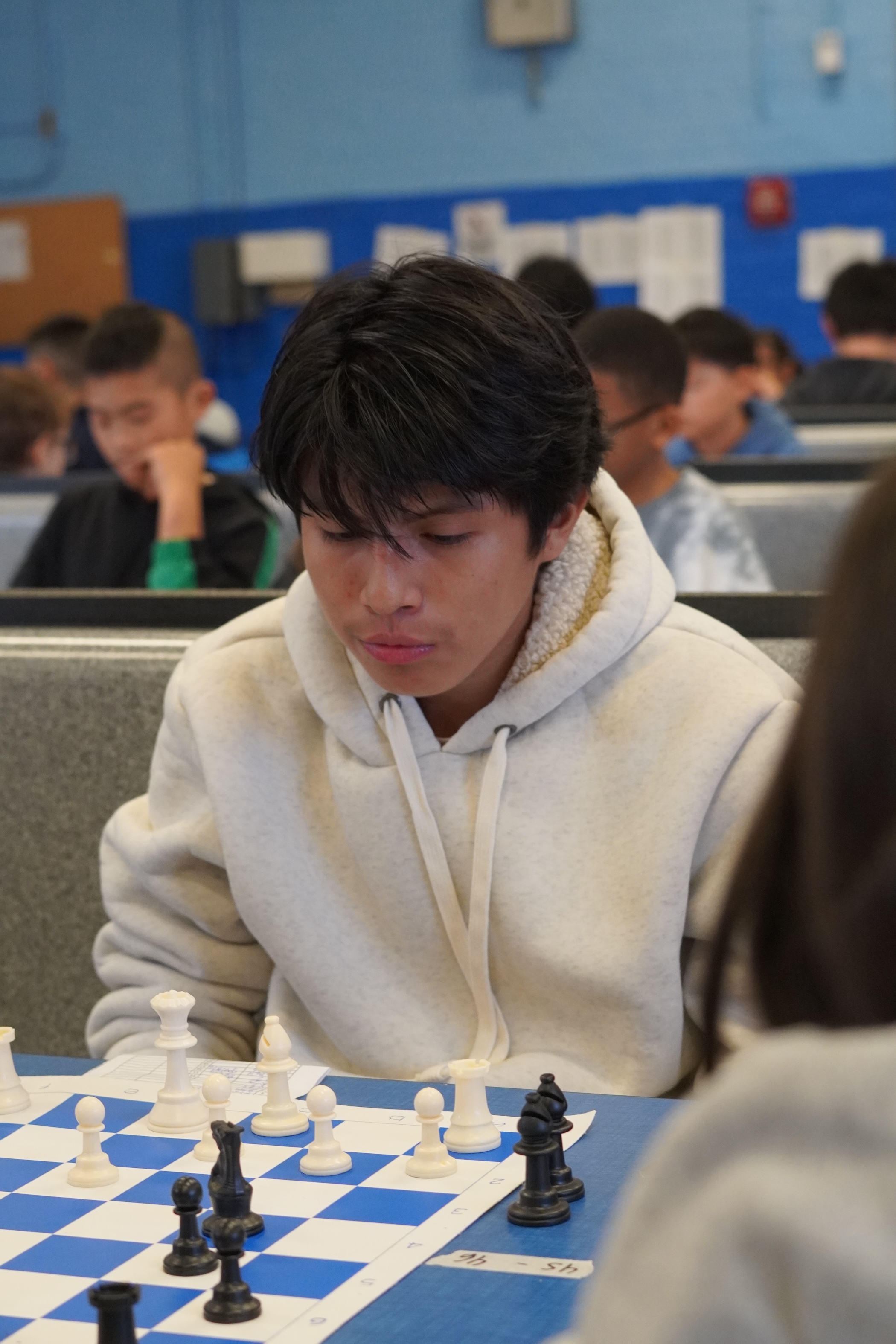
Q: What role did your teammates and coaches play in your success at Nationals?
Malakai:
My teammates helped me keep my mind off my losses and helped me with my games.
Noah:
Coach Anthony was a huge part of my success. My teammates were always there and helped me focus on the next game.
Jonathan:
They helped improve me. They were happy when I won and inspired me to do well.
Eden:
Coach Anthony was really encouraging and reassuring. If I came back with a bad result, he’d prepare me mentally and emotionally for the next round. My teammates also reminded me that even if I didn’t win, I was still a strong player.
Q: How did your team support one another during the highs and lows of competition?
Eden:
If someone lost, we encouraged them and reminded them it was okay, especially if it was their first Nationals. Everyone was there for each other and supported one another.
Q: Is there a particular piece of advice or encouragement from your coach that still sticks with you?
Jonathan:
Never give up. I decided I was going to win a medal, and I did.
Eden:
That even when you’re in a really bad position, you shouldn’t give up—there’s always a chance to make a comeback.
The Lasting Impact of Nationals
Q: How has competing at Nationals influenced your approach to challenges outside of chess — like academics or preparing for college?
Malakai:
It helped me deal with silence and focus, especially during tests.
Noah:
It helped me concentrate more and grow as a person.
Jonathan:
Chess helped me focus on problems and solve them.
Eden:
It taught me patience and not to give up easily. If I do bad on an assignment, I don’t quit—I try to do better next time, just like in chess.
Q: How did the experience change your confidence or your perspective on what you’re capable of?
Malakai:
It showed me what I could become if I keep playing.
Noah:
Getting wins at Nationals showed me how much I could grow as a player.
Eden:
After my first Nationals, I wasn’t confident, but my second one showed me that experience really matters and that I can improve a lot.
Q: Do you think chess — and Nationals in particular — helped shape your future goals or sense of discipline?
Eden:
Yes, it helped me stay disciplined and motivated, especially when things feel difficult at first.
Looking Forward
Q: As you get ready for college, how do you see chess continuing to play a role in your life?
Malakai:
Working at tournaments and exposing myself to better players.
Noah:
Same for me. College has stronger players, but I still want to enjoy it.
Q: What advice would you give to younger Chess in the Schools students who dream of going to Nationals one day?
Malakai:
Stay disciplined and keep going, even when it feels boring.
Noah:
You won’t win every game—even the best players don’t.
Jonathan:
Try your best and enjoy the moment.
Eden:
Don’t give up after the first few rounds. Even if you’re in a bad position, you can still make an epic comeback.
Q: When you think back on your journey, what do Nationals represent for you personally?
Eden:
Nationals represents a first-time experience that helped me grow as a player. It motivated me by letting me play people at different levels and showed me what I need to work on to become stronger.